7 min read
Monsoon laundry care in Bangalore: drying, mildew and storage
Why clothes smell musty in the rains, how to dry them indoors with airflow, and how to protect wardrobes, leather, towels and shoes until the weather turns.
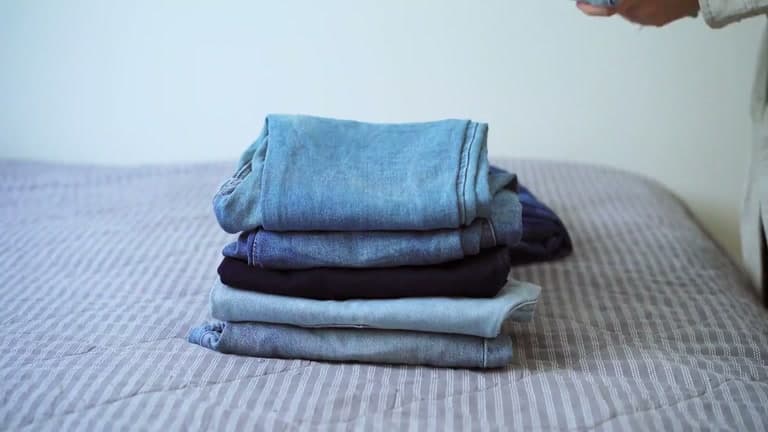
Rain is not really the problem with laundry in Bengaluru's monsoon. Humidity is. The south-west monsoon runs roughly from June to September, heavy spells often carry on into October and November, and for weeks at a time the air stays damp and the sky stays grey. Clothes that dry in an afternoon in March can take a day or more, and fabric that stays damp for that long starts to smell.
Almost everything below comes down to one idea: shorten the time fabric spends wet. Do that, and most monsoon laundry problems — the sour towel, the musty shirt, the white film on a leather bag — never start.
Why clothes smell musty in the rains
The stale, sour smell on a shirt that took two days to dry is not dirt the wash missed. It comes from mildew and bacteria that grow on fabric while it stays damp. Once it has set in, it can survive a quick rewash and come back as soon as the fabric is damp again. The usual causes:
- Washed clothes left sitting in the machine for hours after the cycle ends.
- A drying stand crammed so full that layers touch and air cannot move between them.
- Too much detergent. Residue left in the fabric can hold moisture and odour; more powder does not mean cleaner clothes.
- Damp towels and sweaty gym clothes thrown into a closed laundry basket to wait for wash day.
Wash with drying in mind
In the rains, plan each wash around how you will dry it, not around how much fits in the drum.
- Wash smaller loads more often. Half a drum dries in the space you actually have; a full drum ends up bunched on the stand.
- Hang clothes as soon as the cycle finishes. An hour sitting wet and compressed in the drum is enough to start the smell.
- Use the fastest spin the care label allows. A higher spin pulls out more water and shortens drying; wool, silk and delicates stay on their gentler setting.
- Measure detergent to the dose on the pack rather than pouring it, and add an extra rinse if clothes come out feeling slick.
- Keep the machine itself dry. Leave the door or lid open between washes, wipe the rubber seal on a front loader, and clean the detergent drawer and filter as the manual describes. A machine that smells musty passes it on to every load.
Drying indoors: airflow does most of the work
When the balcony is wet, the aim is moving air around every piece. Warmth helps, but airflow is the part you can control in any flat.
- Run the ceiling fan, and keep a window open a crack on the side away from the rain so damp air has somewhere to go.
- Leave a hand's width between garments. Clothes that touch dry as one thick layer.
- Hang shirts, kurtas and tops on hangers rather than folding them over a rail. A hanger opens the garment so air reaches both sides.
- Turn jeans, hoodies and track pants inside out and pull the pockets out. Thick seams and pockets are always the last parts to dry.
- Avoid drying in the bathroom, which is usually the most humid room in the house.
- A dehumidifier running in a closed room helps a great deal. A tumble dryer is fine for anything whose label shows a circle inside a square.
- Use any dry, bright hours outdoors, but keep dark colours and silks in the shade. Strong sun fades dye.
Before anything goes into a cupboard, check the places that dry last: collars, cuffs, waistbands, seams, pockets and the thick hems of jeans. If they feel cool to the touch, they are still damp. Ironing a nearly dry cotton shirt is fine; just let it cool before you fold it away.
Towels and bedding
Towels go sour first in the rains. They are thick, they are used wet, and they rarely get the chance to dry fully between uses.
- Hang a used towel spread out over a rail or a chair back, not folded or bunched on a hook.
- Wash towels more often than you would in the dry months, at the warmest temperature the care label allows.
- Go easy on fabric softener. It coats the fibres, which can make towels less absorbent and slower to dry.
- Keep at least two towels per person, so one can dry properly while the other is in use.
- If a towel still smells after washing, wash it again and make sure it dries right through. Folding it away while it smells only makes it worse.
Bedsheets wash and dry like large shirts. Blankets, quilts, comforters and duvets are different: their filling holds water deep inside, and on a humid day the outside can feel dry while the middle stays damp. Put back on the bed or into storage like that, a quilt starts to smell. If you cannot dry a bulky item right through during the rains, that is the clearest case for handing it over.
Keeping the wardrobe dry
A closed cupboard holds on to humid air. Clothes that went in clean and dry can still pick up a musty smell over a few weeks of the monsoon and, in a damp corner, small spots of mildew.
- Do not pack the wardrobe tight. Space between hangers lets air move; a crammed shelf holds damp.
- Put silica gel sachets or a moisture-absorber container on each shelf, and replace or dry them out as the pack directs.
- Open the wardrobe doors for an hour or two on dry days to let the air change.
- If the wardrobe stands against an outside wall that gets damp in the rains, move it a few centimetres away so air can circulate behind it.
- Wrap silk sarees and good silk garments in plain cotton cloth rather than plastic, and air them on a dry day every few weeks.
Leather jackets, bags and belts
Leather often shows mildew first, as a dusty white or greenish film. Store it where air can reach it, never sealed in plastic, and stuff bags with paper so they hold their shape. If mildew appears, take the piece outside, brush it off gently with a soft, dry cloth so you are not spreading it around the room, and let it air in the shade. Avoid household cleaners and home remedies, which can strip or stain the finish, and take valuable pieces, or marks that remain, to a leather specialist.
Shoes and sandals
Wet footwear needs patience, not heat. A hair dryer, a heater or a hot afternoon in direct sun can dry leather so fast that it stiffens and cracks, and heat can weaken the adhesive in many soles.
- Wipe off mud and grit as soon as you take the shoes off. Dried mud is harder to remove and holds moisture against the material.
- Take out the insoles, and loosen or remove the laces so air can reach the inside.
- Stuff the shoes loosely with newspaper or paper towels, and change the paper when it gets damp.
- Leave them to dry at room temperature in moving air, near a fan but away from direct heat.
- When leather is completely dry, condition or polish it. Brush dry suede with a suede brush to lift the nap.
- Rotate pairs so each gets at least a day to dry, and keep shoes on an open rack rather than in closed boxes during the rains.
When to hand it to a laundry
Most everyday washing can be managed at home through the monsoon with the habits above. The items worth handing over, whether to Luxere or another laundry, are the ones you cannot dry right through and the ones where a mistake is expensive.
- Blankets, quilts, comforters and duvets, especially before they are stored for the season.
- Curtains and heavy bedspreads that need more drying space than your flat has.
- Anything that still smells musty after a proper wash and a full dry.
- Silk, wool and leather with spots or marks you are not sure about.
- Shoes that have been soaked through, or suede that has water-marked.
Luxere takes collection requests from across Bengaluru, with the slot and return confirmed for your address when you book. Wash and fold starts from ₹49 per kilogram, and shoe and sandal cleaning from ₹99 per pair. Blankets, comforters and curtains are priced in the booking app, where the actual item price, any applicable offer, and the pickup, delivery, handling and taxes appear in the total before collection. Standard delivery is 24 to 48 hours.