8 min read
How to care for expensive clothes so they last
The habits that decide whether a good garment lasts three years or fifteen — most of them cost nothing.
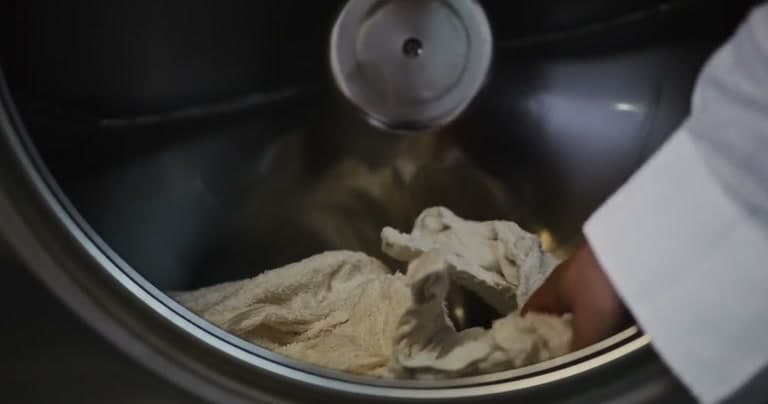
Expensive clothes rarely fail dramatically. They degrade — a shoulder that stops sitting right, a colour that goes flat, a cuff that frays first. Almost all of it comes from a small number of habits, and almost all of those habits are free to change.
Wash good clothes less
Cleaning is mechanical and chemical stress. Every cycle costs the garment something. The single most effective thing you can do for wool, silk and tailoring is to clean it when it needs cleaning rather than on a schedule.
- A suit worn a few hours at a time does not need cleaning after every wear. Air it, brush it, hang it properly.
- Shirts and anything worn against skin do need washing every time — sweat and body oils degrade fibre and set yellow if left.
- Knitwear: air between wears, clean when it is actually soiled or has picked up an odour.
Storage does more damage than cleaning
Hangers
Wire hangers concentrate the weight of a garment onto two narrow points, which is how shoulders deform. Use broad or contoured hangers for jackets and coats. Fold knitwear instead of hanging it — a hung sweater stretches out of shape under its own weight, and it does not recover.
Space and air
A packed wardrobe holds creases and holds humidity. In Bengaluru's monsoon months that combination is where mildew starts. Leave air between garments.
Light and plastic
Sunlight fades dye, so store good clothes away from a window. And take garments out of dry cleaning bags when they get home: those bags are for transport, and long-term storage in plastic traps moisture against the fabric and can yellow it.
Water quality matters more than people think
Much of Bengaluru's supply is hard, and hard water leaves mineral deposits in fibre. That is the real reason home-washed cotton feels stiff, whites go grey, and colours lose depth after a few months. Professional laundries wash in softened water for exactly this reason — Luxere uses reverse-osmosis soft water below 50ppm hardness with pH-balanced detergent.
Stains: what to do in the first minute
- Blot, never rub. Rubbing pushes the stain deeper into the weave and abrades the surface.
- Work from the outside of the stain inwards, so you do not spread the edge.
- Do not apply heat. Heat sets protein and sugar stains permanently — no hot water, no hairdryer, no iron.
- On silk, wool or anything structured, stop after blotting. Home remedies on delicate fabric usually create a second, larger problem.
- Get it cleaned soon, and say what caused it. Treatment chemistry depends entirely on the cause.
Fabric-specific notes
- Silk: no water, no wringing, no direct heat. Steam, never a hot plate — silk shines permanently under contact pressing.
- Wool and cashmere: fold, do not hang. Brush after wearing. Solvent-clean rather than wash.
- Linen: washable and it is meant to crease. Steam finishing keeps it looking intentional rather than slept in.
- Cotton: robust, but hard water and high heat shorten its life. Soft water and moderate temperatures make a visible difference over years.
- Embellished and beaded: individual assessment only. Beads, sequins and metallic thread each react differently, and a single process for all of them will damage something.
When to hand it to someone else
If a garment is structured, embellished, irreplaceable, or you simply do not know what it is made of, that is the point to stop experimenting. Premium garment care exists for exactly these pieces: the garment is assessed first, a method is chosen for that specific item, and you are quoted before anything is done — including being told when the honest answer is that it should not be cleaned at all.