7 min read
Dry cleaning vs washing: which one does your garment need?
What solvent does that water cannot, which fabrics genuinely need it, and how to read a care label that is trying to protect the manufacturer rather than your clothes.
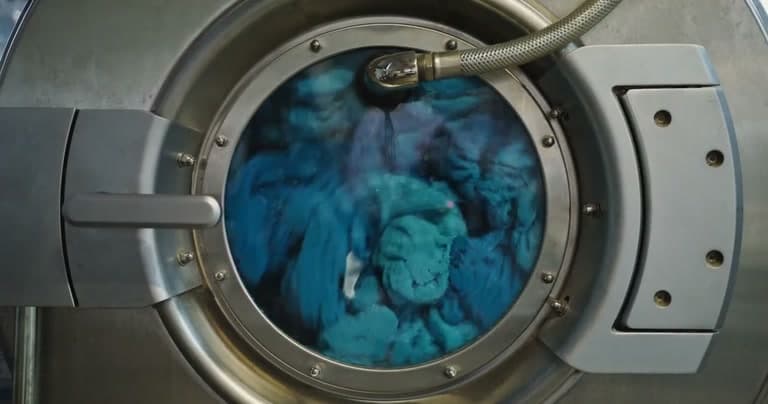
The difference is not how careful the cleaning is. It is what the garment is cleaned in. Washing suspends dirt in water with detergent. Dry cleaning suspends it in a solvent, with no water involved at all. Everything else follows from that one distinction.
Why water is the problem
Water swells natural fibres. Wool and silk absorb it, expand, and then dry into a slightly different shape and size than they started. Agitation while swollen is what felts wool and leaves silk looking flat and lifeless.
Structured garments have a second problem. A blazer is not one layer of cloth — it is an outer fabric, a lining, and interfacing, often three materials that shrink at three different rates. Wash it and the layers stop matching. That puckering across a lapel or a shoulder seam is permanent, and it is the single most common way a good jacket is destroyed at home.
Solvent barely swells fibres. That is the whole reason dry cleaning exists: it dissolves oils and body soil without putting the fabric through a wet–dry cycle.
Send it to dry cleaning
- Suits, blazers and anything tailored with a lining or interfacing
- Wool, cashmere and wool blends
- Silk — shirts, sarees, dresses, ties
- Structured dresses, pleated garments and anything that holds a deliberate shape
- Anything labelled dry clean only that you actually care about
- Oil, grease and cosmetic stains, which solvent lifts better than water does
Wash it
- Cotton and cotton-blend everyday clothes
- Synthetics: polyester, nylon, most activewear
- Denim, t-shirts, casual trousers
- Bedsheets, towels and household linen
- Sweat, food and mud — water-soluble soil that water removes better than solvent does
Reading the label honestly
A care label is the most conservative instruction the manufacturer is confident defending, not a physical law. "Dry clean only" on an unlined cotton shirt is often caution about a trim or a dye rather than about the cloth. Meanwhile the reverse is worth taking seriously: a garment that says washable but is lined and structured will usually still deform.
Two rules that hold up. First, if the garment cost enough that ruining it would annoy you for a year, follow the label. Second, if you are genuinely unsure, ask before cleaning — getting it wrong once is irreversible, and asking is free.
What good dry cleaning actually looks like
Dry cleaning quality is mostly invisible, which is why so much of it is poor. Three things separate good from bad:
- Clean fluid. Solvent is recirculated, so it has to be distilled between loads. Dirty fluid is what greys whites and leaves the smell people associate with dry cleaning.
- Inspection before cleaning. A stain nobody looked at is a stain nobody treated, and the clean will set it permanently.
- Finishing with steam rather than contact pressing. Tension finishers shape a garment with hot air and steam; a flat iron on wool or silk leaves shine that does not come out.
Luxere dry cleans in premium hydrocarbon solvent held as distilled fluid, scans each garment for fabric composition and spot stains before it is processed, and finishes on automated tension finishers. No chemical residue, no odour, no iron-shine.